

Long Beach Peninsula Flooding: What Red-Tagged Homes Mean for Buyers, Sellers & Property Values
Long Beach Peninsula Flooding: What Red-Tagged Homes Mean for Buyers, Sellers & Property Values
By Maiyah Jimenez | Real Estate Broker
Living near the water is part of what makes Long Beach special. Morning walks, ocean breezes, and a neighborhood built around the coast can make a home feel like an everyday getaway.
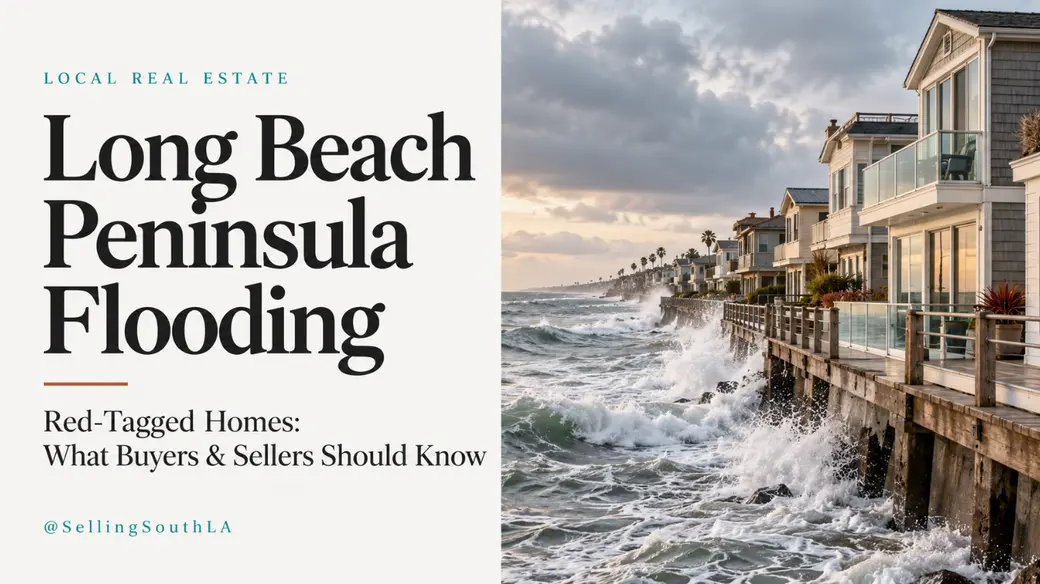
But the recent images from the Long Beach Peninsula show another side of that lifestyle: damaged homes, a battered boardwalk, and residents facing uncertainty about when they can return.
As a Long Beach resident and real estate broker with 12 years of experience, I see this as a moment to bring better questions into our real estate conversations. Buyers need to understand what they’re purchasing. Sellers need a clear record of their property’s condition. Agents need to help clients connect the right information with the right professionals.
What Happened on the Long Beach Peninsula?
Local reporting describes destructive surf associated with Tropical Storm Rachel overtopping the Peninsula’s protective bulkhead and sending water into homes and streets along Seaside Walk. Buildings received red tags declaring them unsafe to enter, while at least one received a yellow tag restricting use. Emergency repairs and cleanup were underway.
Published reports have differed on the number of affected buildings, and buildings, residential units, and addresses are not interchangeable counts. For a particular property, the city’s current inspection record matters more than a headline.
For residents experiencing displacement or damage, this is deeply personal. Real estate conversations should begin with that understanding.
What Does a Red-Tagged Home Mean?
A red tag identifies a building as unsafe to enter. A yellow tag restricts its use. Follow the posted instructions and the issuing authority’s directions; a yellow tag should never be treated as general permission to occupy a property.
For a buyer or seller, the next step is to obtain the actual notice and inspection findings. Those records help establish why the restriction was issued and what the city requires next.
I would want answers to three questions before discussing a transaction:
-
What conditions led to the tag?
-
What evaluations, repairs, and permits are required?
-
What written clearance is needed before entry or occupancy can resume?
The tag alone does not establish a repair budget, a completion date, or the property’s future market value.
Will the Flooding Affect Long Beach Property Values?
My view is that buyers will pay closer attention to condition, insurance, and repair history. That is a practical expectation—not a measured prediction of price changes.
A damaged oceanfront property and an unaffected home elsewhere in Long Beach require different analyses. Even neighboring properties can have different elevations, construction, damage, and maintenance histories.
When evaluating value after an event like this, I would look at the specific property’s condition, documented repairs, permitted work, insurance options, and comparable sales. I would also separate current asking prices from completed transactions.
There is no responsible citywide discount to apply based on these headlines alone. We need property-level evidence and market activity before drawing conclusions.
Buyers: Add Flood Risk to Your Home Search Early
The time to investigate flood exposure is while you still have room to make decisions about the purchase.
Start with the address in FEMA’s Flood Map Service Center. FEMA explains that maps help identify flood risk, but being outside a high-risk zone does not mean a property has no flood risk.
My recommended review includes:
-
Property history: Ask about previous flooding, water intrusion, insurance claims, and repairs.
-
Physical condition: Have qualified professionals evaluate drainage, foundations, crawl spaces, and signs of moisture damage as appropriate.
-
City records: Review relevant notices, permits, and inspection records.
-
Insurance: Obtain address-specific quotes and discuss coverage before committing to the purchase.
-
Ownership costs: Consider maintenance and repair reserves alongside the mortgage payment.
For a condo or townhome, request the HOA’s relevant insurance information, repair records, reserve information, and any proposed assessments. Have the appropriate professionals explain what applies to the building and your individual unit.
Insurance: Ask What Is Covered Before You Need It
Most homeowners insurance policies do not cover flood damage. FEMA’s National Flood Insurance Program offers separate coverage, but it has limits and exclusions. Standard NFIP coverage also excludes temporary housing expenses during repairs.
Coastal damage deserves a particularly careful conversation. Flooding, wave-related erosion, gradual erosion, and earth movement can raise different coverage questions. FEMA identifies some qualifying flood-related erosion as covered while explaining that gradual erosion and other earth movement can be excluded. An insurance professional should review the actual policy and cause of loss.
Before buying, ask for written clarification about deductibles, building and contents limits, exclusions, and available additional coverage. For landlords, ask separately about protection for lost rental income.
Sellers: Make the Property’s History Easy to Understand
If your property has experienced flooding or water intrusion, start gathering the documentation early.
Inspection reports, repair invoices, permits, photographs, and city correspondence can help buyers understand what happened and how it was addressed. A fresh finish provides very different information from a documented repair.
California’s Department of Real Estate explains disclosure responsibilities involving material property conditions and designated natural hazards, including flood hazards. The requirements and exemptions depend on the transaction; work with your broker and, when needed, legal counsel to complete the applicable disclosures accurately.
My approach is to make the information clear enough that buyers can evaluate it with their inspectors, lender, and insurer. That preparation can help identify issues before they disrupt escrow.
Why This Matters in Carson, Gardena, Torrance, Inglewood & Compton
These Peninsula reports concern a specific coastal area. They do not establish that inland South LA County properties face the same exposure.
They do offer a useful reminder for every home search: investigate how water could affect the particular property.
In Carson, Gardena, Torrance, Inglewood, Compton, and South Los Angeles, I would ask about drainage, past water intrusion, lot grading, and relevant mapped hazards. For coastal South Bay homes, I would also ask the appropriate specialists about shoreline conditions and coastal exposure.
The goal is to evaluate the address—not assign a risk level to an entire city.
Real Estate Professionals: Bring the Right People Into the Conversation
For agents, this is an opportunity to improve how we guide clients through due diligence.
If a property in escrow suffers new damage, promptly document the update, notify the appropriate parties, and review the contract with your broker. Coordinate with inspectors, city officials, the lender, and insurance professionals before making representations about safety, coverage, repairs, or closing.
Keep explanations specific. Avoid promising that a tag will be removed by a certain date or that insurance will pay for a repair without written support from the responsible party.
Clients benefit when we make uncertainty visible and help them resolve it.
Buying the Lifestyle With a Clearer Picture
I understand the appeal of a home near the beach. I also want my clients to understand the responsibilities that come with the property they choose.
Whether you’re considering a Peninsula home, a Torrance condo, or an investment property in Carson or Compton, I can help you organize the questions, review the available real estate information, and identify the specialists needed for a more informed decision.
Subscribe to the weekly newsletter for local real estate insights, neighborhood news, and updates across South Los Angeles County and Long Beach. If you’re preparing to buy or sell, reach out so we can build a plan around your property and goals.
Categories
Recent Posts








GET MORE INFORMATION