

The Rise of the ‘Lifestyle-First Buyer’: Why Real Estate Decisions in 2026 Will No Longer Be About Square Footage Alone
After almost 12 years in real estate, I can confidently say this: buyers and sellers are no longer making decisions based solely on price per square foot.
A major shift is happening — and it’s reshaping how homes are bought, sold, and marketed.
Welcome to the era of the Lifestyle-First Buyer.
This trend impacts real estate professionals and clients alike — and those who understand it early will have a serious advantage going into 2026.
🌴 1. Buyers Are Purchasing a Lifestyle, Not Just a Home
Today’s buyers are asking different questions than they did five years ago:
-
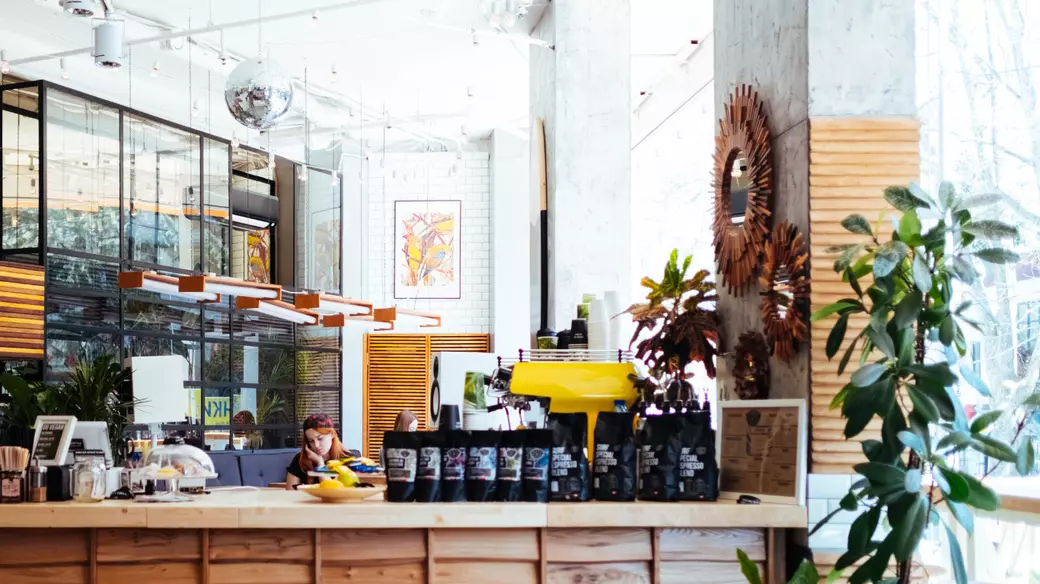
“Can I walk to coffee, the beach, or a park?”
-
“Does this neighborhood match how I actually live?”
-
“Will this home still work if my job, family, or income changes?”
In markets like Long Beach and South Los Angeles County, lifestyle amenities — not just the house itself — are driving demand.
🏙️ 2. Neighborhood Identity Is Now a Major Value Driver
Communities with a strong identity are outperforming others. Buyers are gravitating toward areas with:
✔ Independent restaurants and local businesses
✔ Walkability and bike access
✔ Community events and culture
✔ Easy access to transit and freeways
This explains why some homes sell faster — even when priced higher — simply because the surrounding lifestyle resonates.
📉 3. Bigger Homes Are No Longer Automatically “Better”
A surprising trend: many buyers are choosing smaller, well-located homes over larger properties farther out.
Why?
-
Less maintenance
-
Lower operating costs
-
More time spent living, not commuting
For sellers, this means presentation and positioning matter more than size. For agents, it means storytelling is critical.
🧠 4. Real Estate Professionals Must Market the Life, Not Just the Listing
Listing descriptions that only mention bed/bath counts are falling flat.
High-performing listings now highlight:
-
Weekend routines
-
Nearby experiences
-
How the home feels to live in
This is especially effective for:
-
First-time buyers
-
Move-down buyers
-
Lifestyle-driven relocations
If you’re not marketing the experience, you’re underselling the property.
💼 5. Investors Are Paying Attention, Too
Lifestyle trends don’t just matter to homeowners — investors are tracking them closely.
Properties in lifestyle-centric neighborhoods tend to have:
-
Lower vacancy rates
-
Stronger short- and mid-term rental demand
-
Higher tenant retention
This makes them more resilient during market shifts.
🤝 6. What This Means for Buyers and Sellers in 2026
For Buyers:
Don’t just ask, “Can I afford this home?”
Ask, “Does this support the way I want to live for the next 5–10 years?”
For Sellers:
Your home’s value isn’t just inside the walls. How it connects to the neighborhood, daily routines, and lifestyle choices matters more than ever.
For Agents:
Those who act as lifestyle advisors — not just transaction coordinators — will win trust, listings, and referrals.
My Final Thoughts
The real estate market is evolving beyond numbers and comps. Lifestyle is becoming currency.
Understanding this shift allows professionals to market smarter, sellers to position better, and buyers to make decisions they won’t regret later.
In 2026, the most successful real estate strategies won’t just sell homes — they’ll sell how life is lived inside and outside of them.
Categories
Recent Posts



GET MORE INFORMATION