

2026 Real Estate Lifestyle Trends: Why Suburban Living, Smart Homes & Market Shifts Are Redefining Home Value
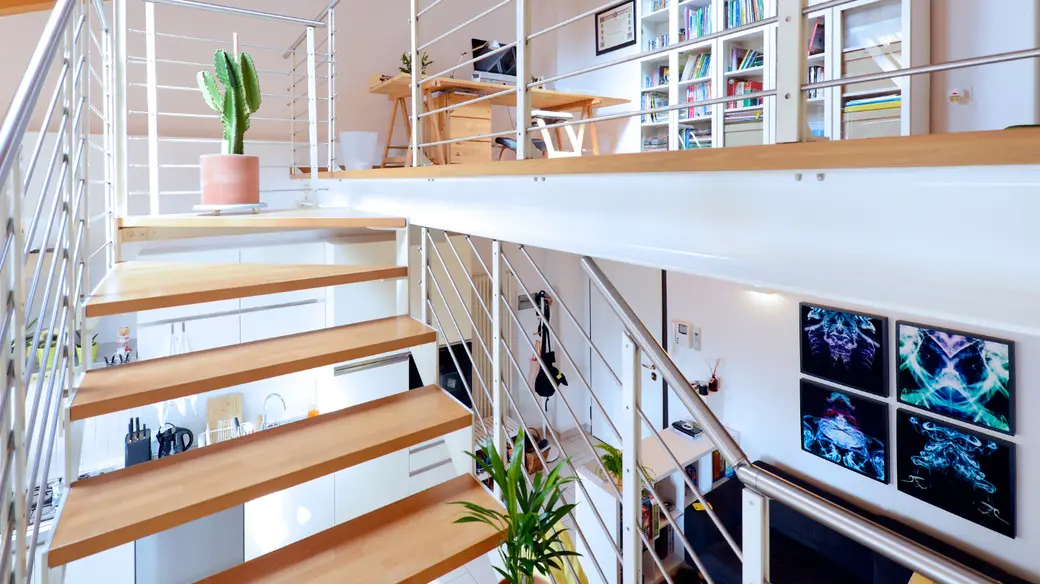
2026 is shaping up to be one of the most interesting years in real estate in recent memory — and not just because of pricing or mortgage chatter. Experienced agents, investors, and homebuyers alike are watching shifts in lifestyle preferences, technology adoption, and migration patterns that are transforming not only where people live — but how they want to live. Whether you’re guiding buyers, selling listings, or planning your own move, understanding these trends will help you stay confident and strategic in today’s market.
1. Suburban Lifestyle Demand Isn’t Slowing Down
Post-pandemic preferences continue to shape housing demand — with buyers prioritizing space, comfort, and community. After years of tight coastal markets and limited inventory, many buyers are choosing suburbs or secondary markets that offer:
-
Larger homes with dedicated office spaces
-
Yards, outdoor living areas, and wellness-oriented design
-
Easier access to top schools and amenities
This sustained interest isn’t just anecdotal — it echoes broader national patterns where professionals and families alike trade downtown living for space and lifestyle upgrades.
2. Smart & Sustainable Homes = Higher Appeal
Today’s buyers aren’t just looking for square footage — they want intelligent, future-ready homes. Properties with smart tech, energy-efficient upgrades, and sustainability features are drawing premium attention at showings and on listings. Smart thermostats, integrated security, efficient insulation, and EV-charging stations are increasingly part of buyer checklists — not optional add-ons.
Listing highlights that tie home tech to long-term cost savings or comfort can seriously boost engagement.
3. Digital Real Estate Experiences Are Now Table Stakes
Gone are the days when buyers physically toured every property. Immersive tools — from virtual tours and 3D walkthroughs to digital transactions and remote closings — are mainstream. These experiences add convenience for long-distance buyers and tech-savvy clients alike. For agents, embracing digital platforms isn’t just about efficiency — it’s about competitive edge.
4. Migration & Market Shifts are Creating New “Hot” Zones
2026 listings in some areas are moving fast. For example, markets with shrinking inventory and rising demand are seeing shorter days on market and frenetic bidder activity — a trend seen in regions like Hartford and others nationally. Whether you’re advising sellers about pricing strategies or coaching buyers on making strong offers, being fluent in these real-time shifts is critical.
5. Multi-Generational & Flexible Living Designs Are Rising
As demographics evolve — including baby boomers aging in place and millennials entering peak buying years — flexible home designs are becoming more valued. Think multi-suite layouts, adaptable space usage for work/play, and features that support all stages of life. This isn’t just design — it’s lifestyle functionality that resonates with real buyers.
What This Means for You (Agent & Client)
Real estate in 2026 is less “transactional” and more lifestyle-driven. Buyers want homes that fit how they live every day — and agents who articulate these lifestyle values in marketing, showings, and client conversations will outperform peers. Whether you’re staging listings, scoring leads, or deciding when you buy or sell — these trends help you make smarter, people-first decisions.
Let’s talk about where you are in your real estate journey — and how 2026 trends can help you hit your goals with confidence.
Categories
Recent Posts







GET MORE INFORMATION