

Why Build-to-Rent & Green Housing Will Dominate Real Estate in 2026 (And How to Profit From It)
As a broker with 11 years in the industry — navigating everything from single-family listings to property management and acquisitions — I can confidently say 2026 is shaping up to be a major turning point for the real estate market. Rising construction costs, slow-to-drop interest rates, and shifting buyer behavior are pushing the industry into a new era… and the people who adapt early will get the biggest wins.
Whether you're a fellow real estate professional, one of my Long Beach/South LA County clients, or an investor watching where the market is headed — here’s what’s trending and how you can prepare.
🔥 The Two Biggest Trends Defining 2026
1. Build-to-Rent Is No Longer a Trend — It’s Becoming the Backbone of Housing Supply
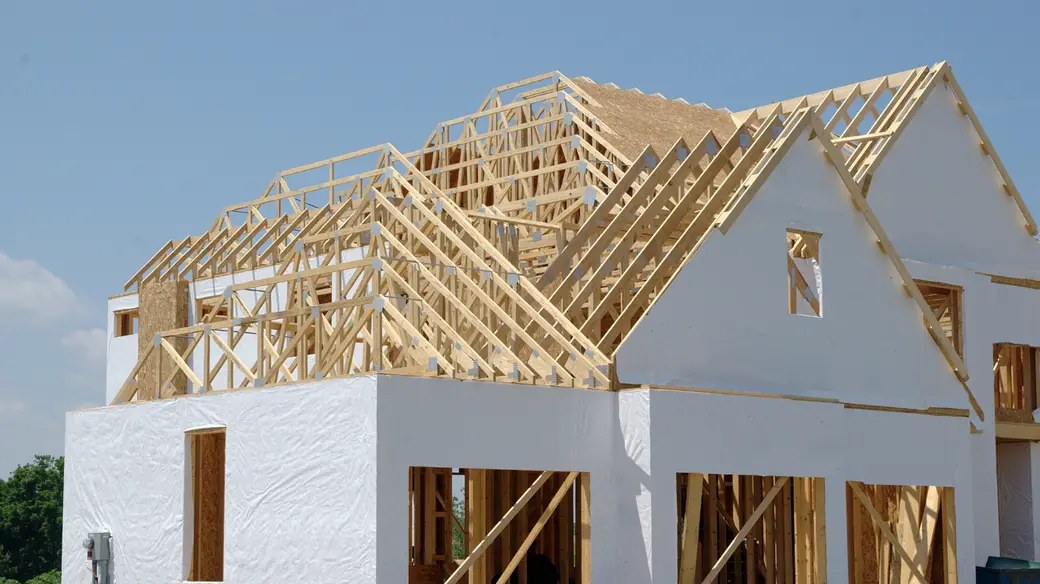
By 2026, affordability challenges are still expected to keep many would-be buyers in the rental market longer. Inventory remains tight, and new construction continues to lag behind demand — which is why Build-to-Rent (BTR) communities are surging nationwide.
Here’s what’s changing:
-
Institutional investors are doubling down on BTR portfolios.
-
Developers are prioritizing rental communities over for-sale subdivisions.
-
Families want more space but still need rental flexibility.
This makes single-family rentals, duplexes, and SB9-style additions prime opportunities for both investors and real estate professionals.
For my own business vision — I will always be a real estate broker for Selling South LA but the goal would be expanding my side hustle/property management business LA Estates Realty into an acquisition + management company — this trend is perfectly aligned. Investors want low-maintenance rentals, and renters want the feel of a home without the commitment.
2. “Green Homes” Will Be the Most Valuable Properties in 2026
Sustainability is no longer optional. It’s officially a value multiplier.
With utility costs up and climate regulations tightening, more buyers and renters are prioritizing:
-
Solar-ready or solar-installed homes
-
High-efficiency HVAC systems
-
Better insulation & air sealing
-
EV-ready garages
-
Smart home energy management
Homes with these features rent faster, sell higher, and cost less to operate.
For investors planning flips, ADUs, or SB9 infill projects in 2026, incorporating green upgrades will not only increase long-term value — it may become the deciding factor for tenants and buyers.
🎯 What This Means for Real Estate Pros in 2026
Whether you’re an agent, broker, manager, or investor, here’s the real playbook:
✔ Shift focus toward long-term rental opportunities
BTR, SFR rentals, and multi-unit SB9 conversions offer stable income without relying on volatile resale conditions.
✔ Learn to analyze sustainability ROI
Clients will ask whether solar, heat pumps, or insulation upgrades are “worth it.” Knowing the math sets you apart.
✔ Market properties with a “green lens”
Listings that showcase energy savings and environmental impact will stand out in 2026.
✔ Prepare for data-driven investors
As cap rates adjust, investors are relying heavily on rental demand data, construction trends, and long-term projections.
✔ Nail your property management value proposition
Professionals who can manage small rental portfolios — especially scattered SFRs — will be in high demand.
🏡 What Buyers, Sellers & Renters Should Know Heading Into 2026
If you’re a renter:
Expect more choices in single-family rentals and BTR communities — especially those offering more space and better amenities.
If you’re a buyer:
Competition may soften a bit in 2026, but affordability will remain the main hurdle. Focus on homes with long-term cost benefits like energy efficiency.
If you’re a seller:
Buyers are more selective. Green upgrades, turnkey condition, and strong energy ratings will give you a competitive edge.
If you’re an investor:
2026 is an ideal year for building or acquiring small rental portfolios, especially in markets like Long Beach and South LA where renter demand stays high.
🌱 My Take as a Broker Going Into 2026
My strategy remains focused on:
-
Acquiring properties ideal for rental conversion
-
Leveraging SB9 to create multi-unit opportunities
-
Positioning new and renovated inventory with strong green benefits
-
Building a long-term rental cash flow model that remains stable regardless of interest rate swings
The real estate landscape continues to evolve — but if you position yourself now, 2026 can be a year of massive growth.
Categories
Recent Posts









GET MORE INFORMATION