

The Hybrid Housing Market: Why Owners Are Renting, Buyers Are Resetting, and Lifestyle Features Are Driving 2026 Real Estate Decisions
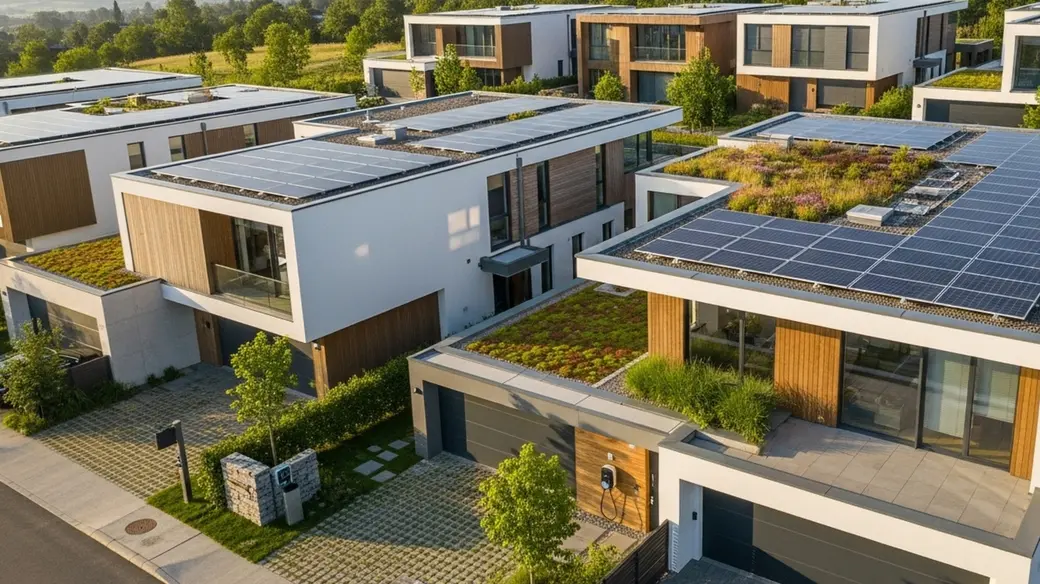
If you’ve been active in real estate over the past few years — whether as a professional, investor, or homeowner — you’ve felt the shift.
2026 isn’t defined by a boom or a crash. It’s defined by adaptation.
We’re in what I call a hybrid housing market — where sellers behave like landlords, buyers prioritize lifestyle over square footage, and pricing power is shaped by sustainability, inventory shifts, and rate psychology.
Understanding this landscape isn’t optional anymore. It’s the difference between reacting to the market and leading inside it.
Let’s break down what’s actually happening — and what it means moving forward.
1. The Accidental Landlord Era
One of the biggest behavioral shifts right now is owners choosing not to sell — but to rent (which I've done with one of my homes and it was the best decisions ever.)
Across the country, homeowners sitting on properties that aren’t achieving target price points are leasing them instead of listing. Developers are doing the same — building rental inventory now with plans to sell later.
This creates ripple effects:
-
Increased rental supply
-
Reduced resale inventory
-
Hybrid investor-owner mindsets
-
Portfolio diversification among everyday homeowners
For real estate professionals, this means expanding advisory roles beyond transactions.
For clients, it means understanding that holding property can be a strategic move — not just a fallback.
2. Inventory Is Thawing — But Slowly
After years of tight supply, inventory has begun to edge upward — rising from about 14 homes per 1,000 households to nearly 15 — still far below historical norms.
That modest shift is enough to change market psychology:
-
Slightly more negotiating power for buyers
-
Longer decision cycles
-
Stable — not explosive — sales activity
Existing home sales may tick up, but expectations point toward mostly flat pricing in 2026 due to added inventory pressure.
This is a strategic environment, not a speculative one.
Agents who understand micro-market positioning win here.
Clients who price or buy based on headlines lose.
3. The Mortgage Lock-In Effect Is Still Steering Decisions
Many homeowners remain anchored to ultra-low pandemic-era mortgage rates, extending average tenure to 8.55 years — the longest in decades.
This has created:
-
Reduced mobility
-
Constrained listing supply
-
High cash-buyer activity (about 40% of sales)
But as more households accept that rates may stay elevated, necessity — not optimization — is starting to drive moves.
Translation:
Movement is returning — but selectively and strategically.
4. Sustainability Is Now a Pricing Variable
Green features aren’t marketing fluff anymore — they’re financial signals.
Buyers increasingly expect:
-
Energy-efficient systems
-
Solar integration
-
EV-ready infrastructure
-
Sustainable materials
These features now influence valuation, desirability, financing, and insurance outcomes.
Energy-efficient design also reduces operating costs, boosting appeal and marketability.
For investors and homeowners:
Efficiency is no longer optional — it’s competitive positioning.
5. Lifestyle Amenities Are Driving Buyer Attention
Buyer expectations have evolved from status to experience.
Listings increasingly highlight:
-
Pickleball courts
-
Golf simulators
-
Reading nooks
-
Artisanal and vintage design elements
Mentions of active-lifestyle features have climbed about 25%, and quiet relaxation spaces nearly 48%.
This aligns with a broader movement toward individuality in design and functionality over cookie-cutter aesthetics.
The takeaway:
Today’s buyers aren’t just buying property.
They’re buying identity and daily experience.
6. Starter Homes and Affordability Are Re-Entering the Conversation
Entry-level housing is regaining attention as builders attempt to fill a market gap and support first-time buyers.
At the same time:
-
Mortgage rates have eased slightly in some regions
-
Increased supply can improve affordability
-
Negotiation spreads are widening in certain metros
These dynamics signal a gradual recalibration — not a dramatic reset.
My Final Thoughts: What This Means for Professionals and Clients
This isn’t a one-direction market.
It’s layered.
Nuanced.
And opportunity-rich for those paying attention.
For real estate professionals
-
Expand advisory scope beyond buying/selling
-
Track local inventory signals, not national noise
-
Position sustainability and lifestyle features strategically
-
Understand rental fallback strategies
For buyers, sellers, and investors
-
Timing matters less than positioning
-
Lifestyle value matters more than size
-
Holding assets can be strategic
-
Energy efficiency influences long-term returns
The hybrid housing market rewards informed decisions — not emotional ones.
And right now, information is leverage.
Categories
Recent Posts








GET MORE INFORMATION