

2026 Housing Affordability Outlook: What Real Estate Pros & Homebuyers Need to Prepare For Now
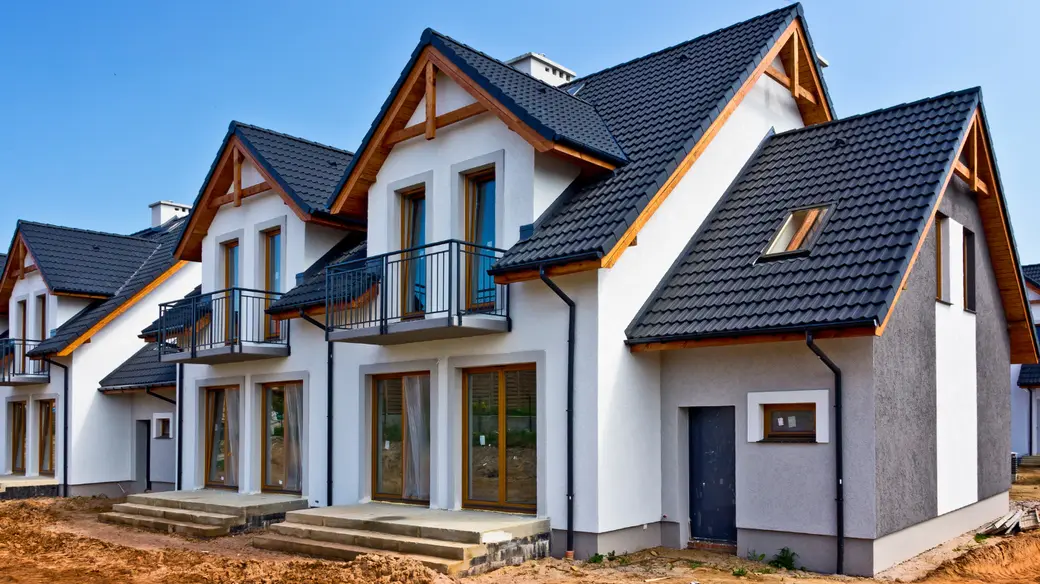
As a real estate broker with 11 years of experience, I’ve watched the housing market evolve through some major shifts — but 2026 is shaping up to be a pivotal year for housing affordability. After several years of tight inventory, elevated interest rates, and intense buyer competition, we’re finally seeing signs of a slow correction.
For real estate professionals, investors, and current or future clients, understanding where affordability is headed in 2026 is critical for smart decision-making.
Here’s what’s shaping the year ahead.
1. Mortgage Rates May Ease — But Not Dramatically
Most economists expect mortgage rates to gradually trend downward in 2026, but not to the historic lows we saw earlier in the decade.
Think modest improvements — enough to boost buyer confidence, but not enough to solve affordability on their own.
What this means:
-
Buyers could regain a bit more purchasing power.
-
Homeowners with low 3–4% rates may still stay put, slowing new inventory.
-
Real estate agents will need to guide clients patiently through fluctuating rates.
2. Inventory Is Expected to Increase — Slowly
We’ll see more inventory hitting the market in 2026 as new construction stabilizes and some homeowners finally make the jump to sell.
But here's the catch:
Inventory gains will likely be regional, not national.
Markets likely to see relief:
-
Suburban outskirts of major metros
-
Secondary cities experiencing population inflows
-
Sunbelt markets with strong new construction pipelines
Markets likely to remain tight:
-
Coastal metros
-
High-growth tech hubs
-
Areas with slow zoning reform
Why this matters: Affordability will improve where supply grows — but not every market will feel the same relief.
3. Price Growth Is Slowing, Not Reversing
After several years of rapid appreciation, 2026 is expected to bring a more balanced pricing environment.
Expect:
-
Slower, healthier price growth
-
Occasional price softening in overvalued submarkets
-
Stabilization in entry-level homes as builders address demand
For sellers: pricing strategy matters more than ever.
For buyers: more breathing room, fewer bidding wars, and a better chance of securing a home without extreme concessions.
4. New Construction Is Rebalancing the Market
Builders spent the past few years adjusting to affordability concerns. In 2026 we’ll see more:
-
Entry-level new homes
-
Smaller but efficient floor plans
-
Townhome and small-lot developments
-
Build-to-rent communities expanding rapidly
This creates more options for first-time buyers and investors looking for long-term rental assets.
5. The “Move-but-Not-Far” Trend Is Growing
With affordability still stretched, many homeowners are opting to move locally rather than migrate across states.
People want:
-
Lower payments
-
Smaller, more efficient homes
-
Better commutes
-
Access to newer inventory
This trend benefits suburbs and smaller neighboring cities that offer relative affordability.
6. Remote & Hybrid Work Policies Continue to Influence Affordability
While some companies are pushing for partial return-to-office, hybrid work remains the norm — and that continues to shape affordability patterns.
Impact:
-
Buyers willing to live farther from job centers
-
Growing demand for homes with flexible spaces
-
Continued strength in markets offering lifestyle + value
Hybrid work doesn’t just change where people live — it changes the type of home they need.
7. Affordability Will Improve — But Challenges Remain
2026 is shaping up to be a year of modest but meaningful improvement, not a dramatic reset.
We’ll likely see:
-
Slightly lower interest rates
-
Gradual inventory increases
-
Slower price appreciation
-
More options in new construction
But ongoing challenges include:
-
Wage growth lagging behind housing costs
-
High demand from Millennials entering peak buying years
-
Investors returning as rates cool
Affordability improves — but competition stays.
8. What Buyers Should Do in 2026
-
Get pre-approved early — and monitor rates.
-
Be open to different neighborhoods or newer builds.
-
Focus on long-term affordability, not short-term rate changes.
-
Don’t wait for the “perfect” market — it won’t exist.
9. What Real Estate Pros Should Do in 2026
-
Educate clients with real data, not headlines.
-
Focus marketing on lifestyle + affordability wins in your area.
-
Highlight flexible loan programs.
-
Build relationships with builders and lenders.
-
Help clients evaluate long-term value, not just current price.
2026 rewards agents who are advisors, not just facilitators.
Categories
Recent Posts










GET MORE INFORMATION